

HIGH VALLEYS OBSERVATORY · DIGITAL ETHICS & AI ACT · OPERATIONAL STANDARDS
Mountains That Exist (With Declared Retouches)
Correcting exposure, harmonizing product lighting, subtitling a video in three languages: artificial intelligence is a valuable tool when serving reality rather than fabricating it.
A.V.I. Presse · High Valleys Observatory
EU AI Act 2026 Compliance & Transparency
4 minutes (~900 words)
Ethical Post-Production & Workflows
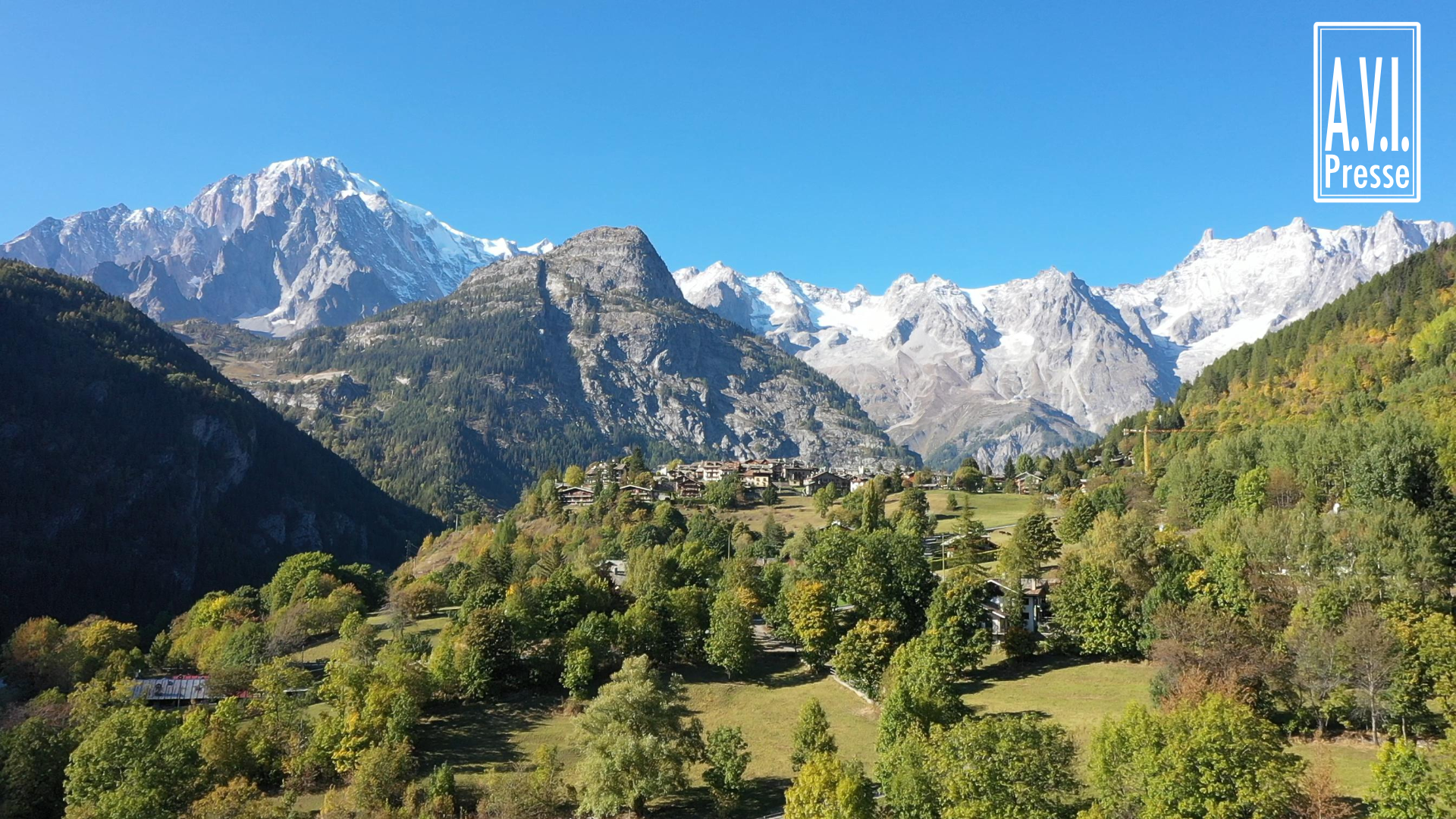
In our previous article, we explained why generating mountains from scratch weakens credibility. Some readers might have interpreted this as a blanket rejection of artificial intelligence. It is not.
Artificial intelligence exists, forms part of our daily production workflows, and we advise its disciplined use to the organizations we support.
A Simple Criterion
Our guiding principle is straightforward: artificial intelligence may improve how an element is seen, but must never alter what physically exists. A corrected photograph still documents a real place. An invented image documents a place that does not exist.
This is the historical distinction between traditional darkroom dodging and photo montage. Contemporary digital tools operate faster, but the core professional question remains identical.
When Natural Light Proves Difficult
Those working in alpine environments understand the challenge: on shoot day, skies can overcast in ten minutes, direct sun can vanish behind a ridge, and haze can flatten contrast. Returning to the summit is not always an option.
Lifting deep shadows, balancing high dynamic range, reducing digital sensor noise on an early-dawn capture: here AI performs in seconds what formerly took hours of manual retouching. The geographic location remains unchanged; the peaks remain where they stand.
Sky replacement requires greater discipline. Substituting an overcast gray sky with crystal-blue sunshine presents a moment that did not take place: when we perform this, we declare it explicitly.
The same rule governs a parked vehicle in front of a historic facade or a utility cable cutting across an architectural shot. Removing them constitutes a retouch: if performed with generative tools, we disclose it. Removing a commercial warehouse that any visitor will encounter upon arrival, however, is strictly avoided.
Three Products, One Unified Image
Consider regional alpine gastronomy. You have documented Fontina cheese, cured lard, and rye bread at different times and under separate lighting. For a menu or a print catalog, you require a single unified composition.
Composing three authentic products into one balanced scene, harmonizing light temperature and shadows, constitutes a legitimate application of digital tooling. The foodstuffs are authentic, documented by your crew, and the customer will find the exact same product on their table. You are illustrating truthfully, not deceiving.
An image assembled this way appears seamless. A brief caption clarifying that the scene was composed in post-production preserves total transparency and eliminates ambiguity.
Invisible Automation
The most valuable application of artificial intelligence in territorial communications is often the least visible:
- Speech-to-text audio transcription of interviews in Italian and French dialects
- Subtitling and translation for transborder audiences in Switzerland and France
- Archival indexing through automated tagging of subjects, locations, and seasons
- Audio noise cleanup, removing alpine wind rumble from lavalier microphones while preserving speech clarity.
Here the technology does not alter the narrative. It accelerates production workflows, freeing editorial time to verify facts, interview people, and film on location.
Transparency Under the AI Act
The European regulatory framework (EU AI Act 2026) has introduced strict transparency standards for synthetic media. Public bodies and commercial brands operating in high-trust sectors must explicitly disclose artificially generated or heavily manipulated media.
For regional communicators, transparency is not an administrative burden: it represents a competitive distinction. In a digital environment flooded with generic visual content, declaring what is real, what is retouched, and how it was captured builds durable authority.