
HIGH VALLEYS OBSERVATORY · PARTICIPATORY PLACE BRANDING · GREAT ST. BERNARD VALLEY
Return to the Great St. Bernard
The upper valley retired the name Pays du Saint-Bernard and introduced a new brand and website. The name was chosen by the residents themselves.
Étroubles, Saint-Oyen, and Saint-Rhémy-en-Bosses
Gran San Bernardo (GSB) · visitgsb.it
March – November 2026
Community consultation, brand identity, website & social
Watch on YouTube
↗
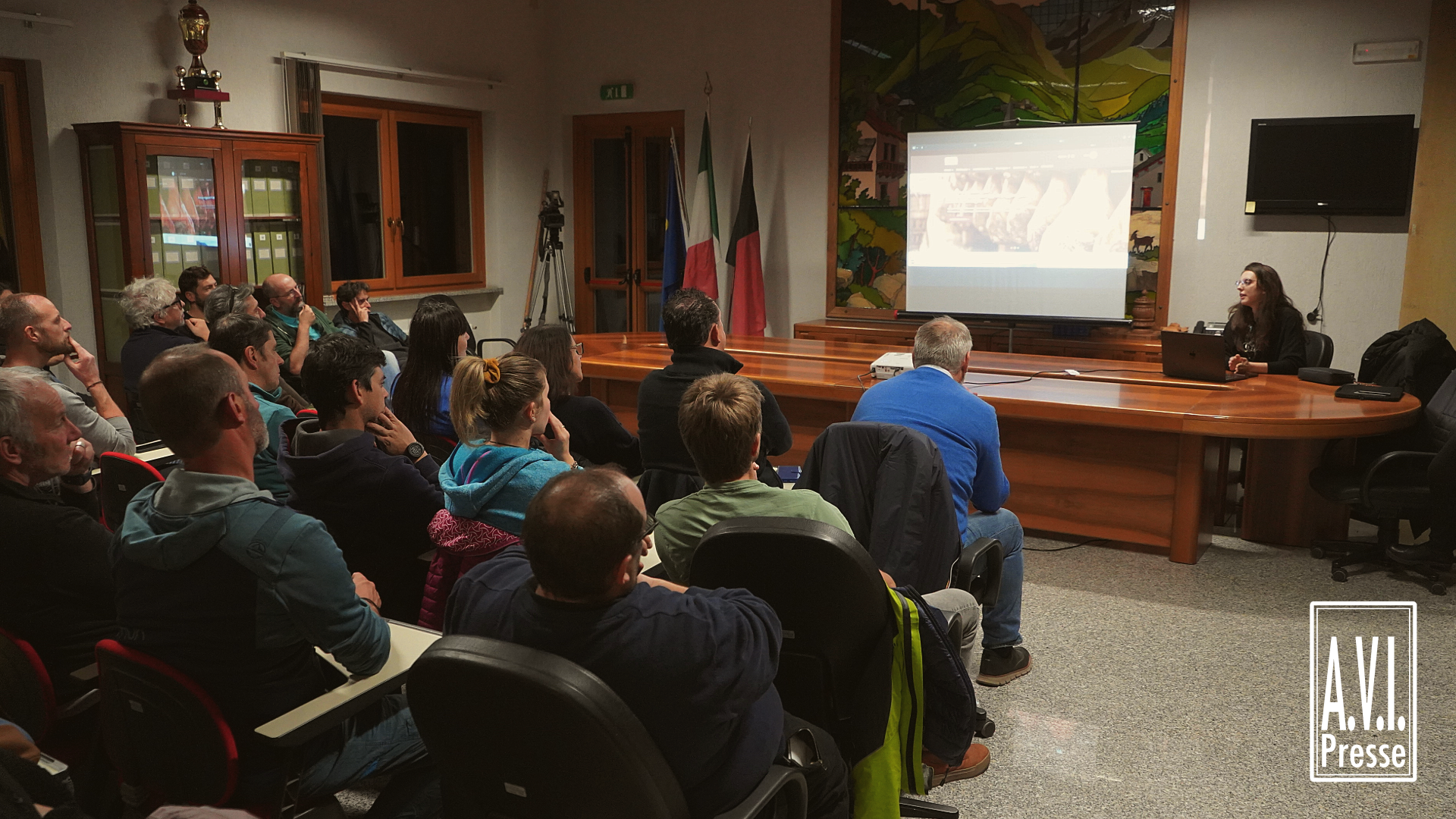
Pays du Saint-Bernard gave way to Gran San Bernardo, accompanied by a renewed visual identity and the website visitgsb.it, presented on Friday, November 13, 2026, in the council chamber of Étroubles. The territory is the same. What changed is how its story is told—and the decision came first and foremost from the people who live there. “Anyone driving up from the valley does not see administrative borders; they see a single territory, and that is how we must tell its story,” explained the Mayor of Étroubles, Andrea Tamone.
Asking the People Who Live Here
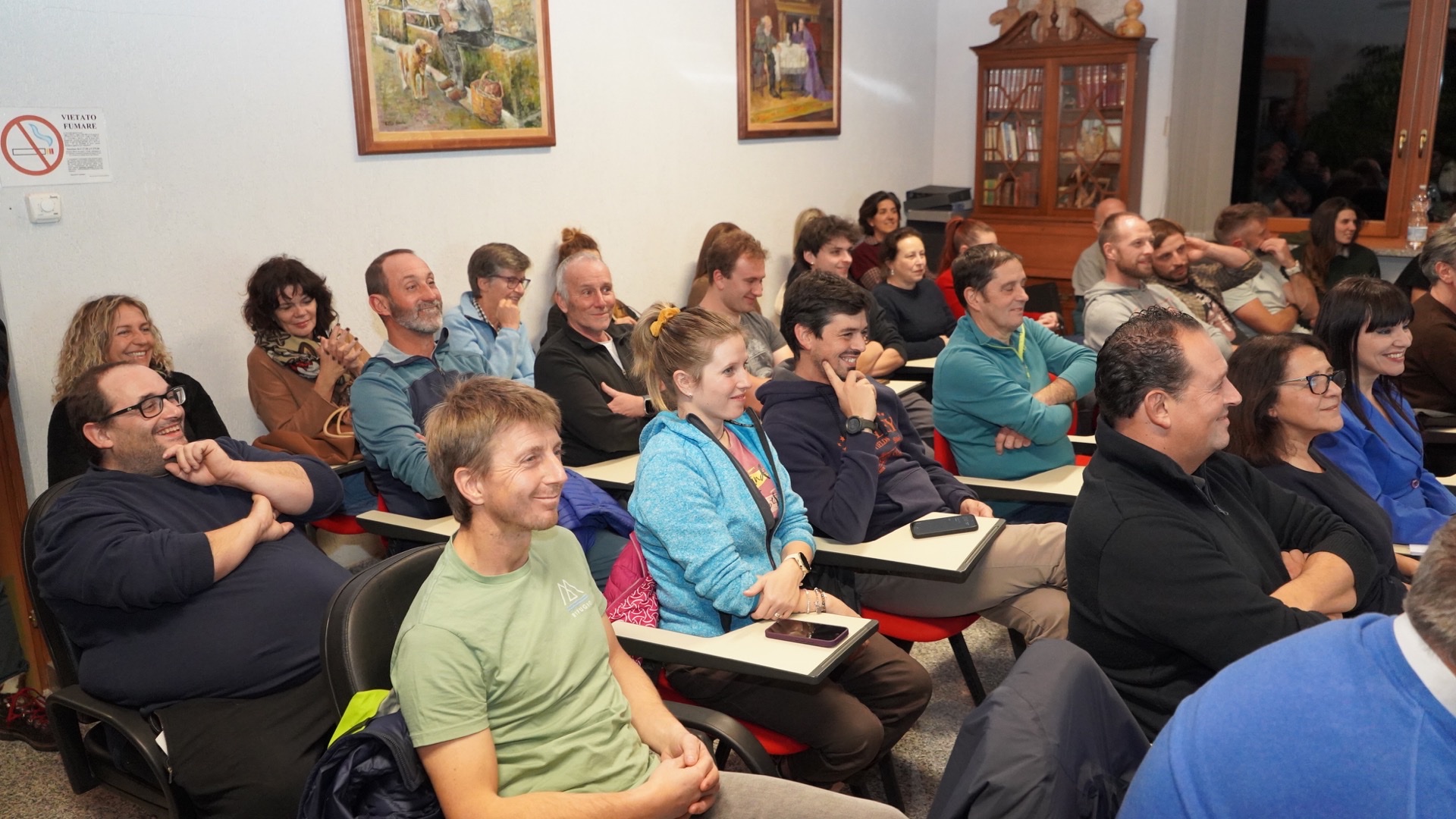
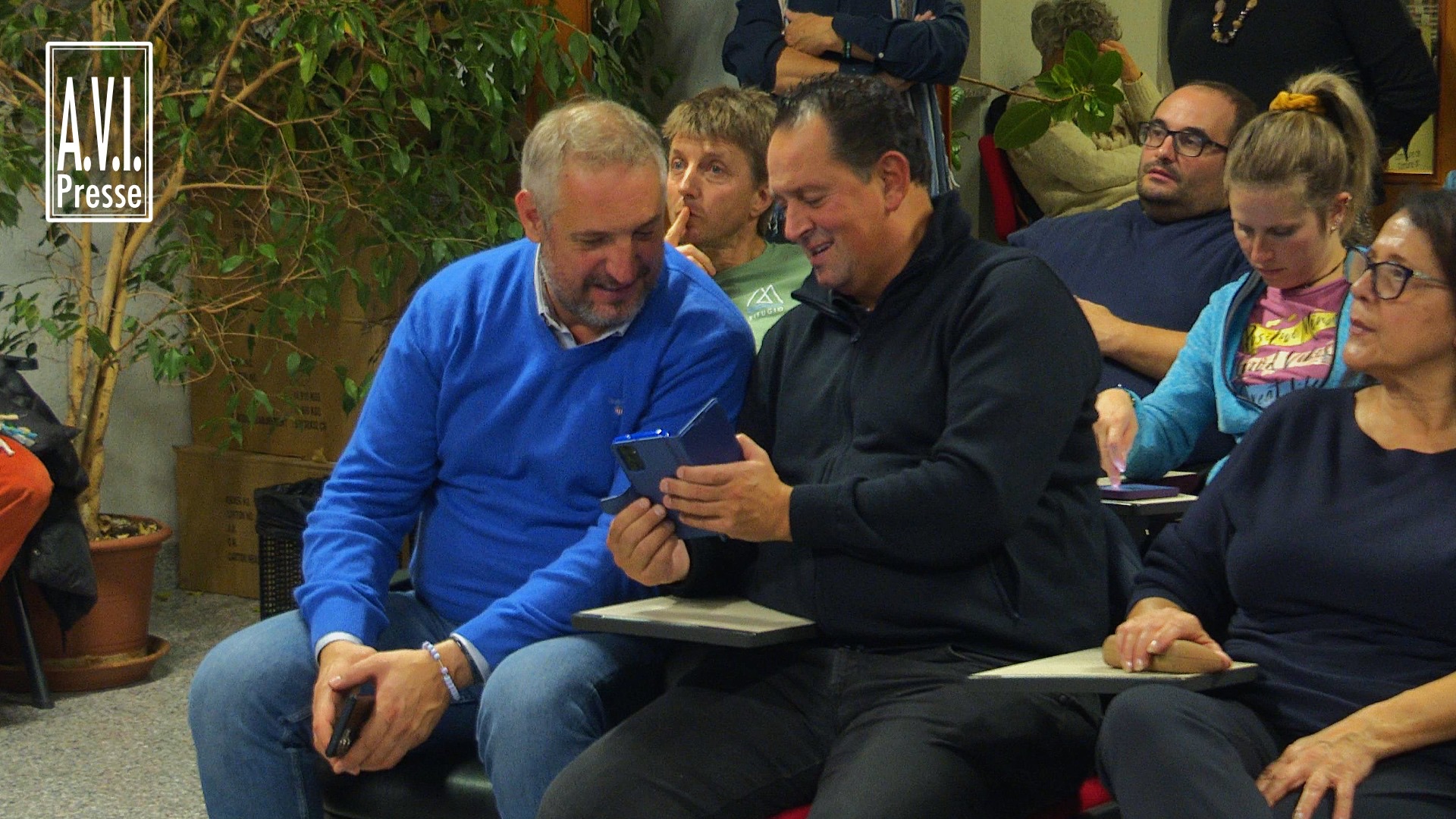
On March 10, 2026, the three municipal administrations met with local residents across three consecutive sessions: at 4:00 p.m. in Saint-Rhémy-en-Bosses, at 6:00 p.m. in Saint-Oyen, and at 8:30 p.m. in Étroubles. Residents, local businesses, tourism operators, and associations were invited, alongside an online questionnaire.
Every response was transcribed and analyzed. One phrase appeared repeatedly: the description of a territory “on a human scale.” The responses also pointed out what was missing: visibility, services, and closer coordination among operators, associations, and municipal administrations. And they outlined a ten-year vision: serious hiking, authentic mountain culture, standout local gastronomy, quietness, a wild yet accessible environment, and year-round hospitality.
The Name
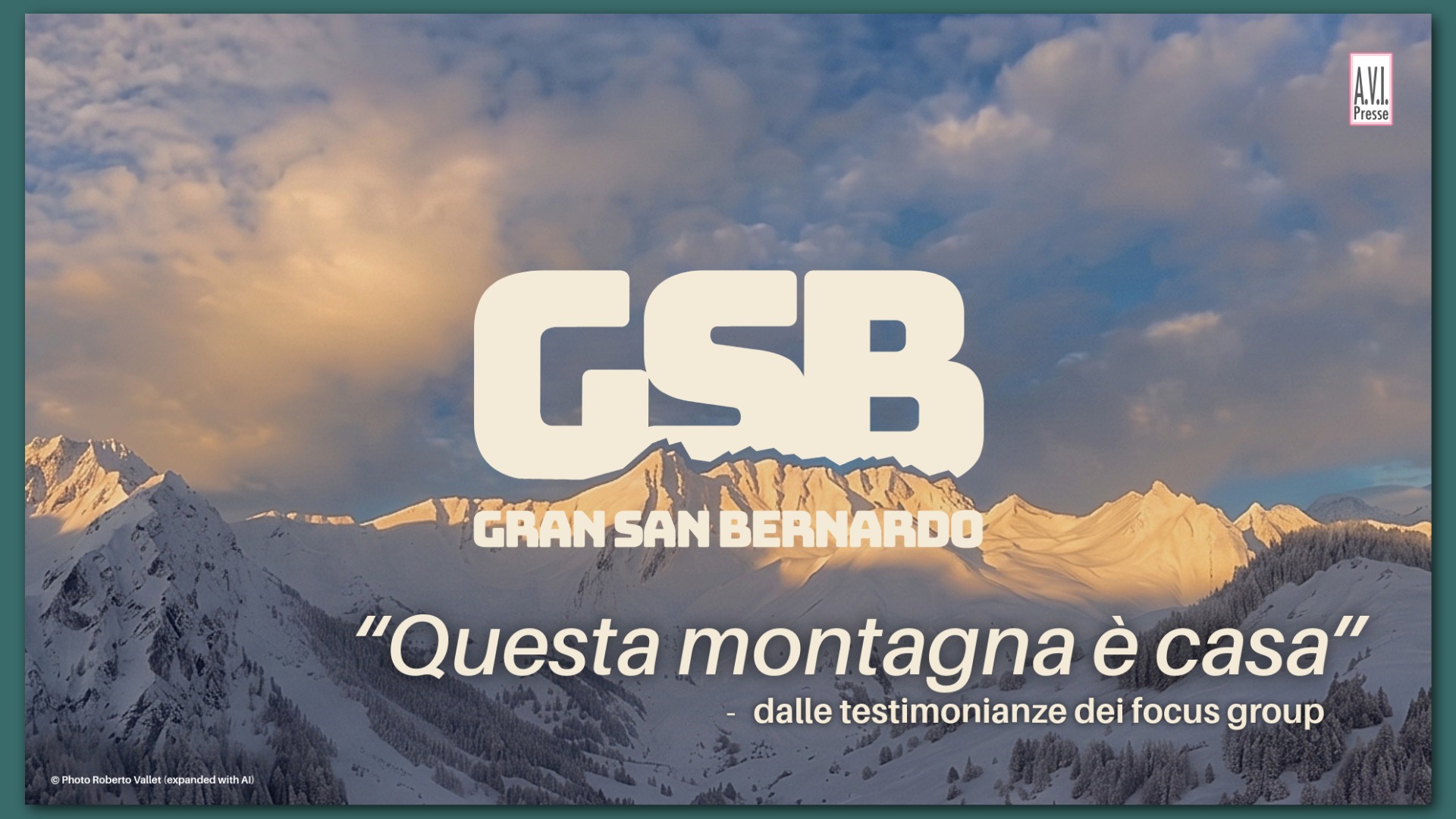
Nearly half of all questionnaires—46%—spontaneously used the exact same name to sum up the three municipalities: Gran San Bernardo. In a single expression that needed no explanation.
“We asked local residents who we are, and the answer was clearer than we expected,” said the Mayor of Saint-Rhémy-en-Bosses, Alberto Ciabattoni. “This brand brings to light what the people who live here have always known.”
We proposed GSB as the visual shorthand for the valley, framed by the ridge profile of the Tête de Serena. Gran San Bernardo reads clearly on a brochure or a roadside billboard; GSB works equally well on a product label, a trail sign, or a social media profile.
The Payoff
For centuries, this valley was a corridor of transit. It was the Roman Summus Pœninus, the Mont-Joux where Bernard of Menthon founded the Hospice, and the gateway of the Via Francigena into Italy. The payoff turns that history into an invitation: Adesso fermati (Now stop and stay).
The color palette was drawn from the alpine landscape, local traditions, and mountain food culture. The tone of voice follows four rules: direct, concrete, honest, never self-congratulatory.
A Brand Lives If People Use It
Public bodies, local businesses, and associations were given an identity manual with practical guidelines for using the logo, color palette, and name. The new trilingual website visitgsb.it—published in Italian, French, and English—immediately shows visitors how to get there and which restaurants and dining options are open upon arrival. It highlights local events, food producers, and ways to experience the valley, linking directly to trail apps for hiking, snowshoeing, and ski touring. The former Pays du Saint-Bernard social media channels also transitioned to Gran San Bernardo (under the handle @visitgsb, matching the website).
“A brand does not work simply because a municipal council approves it; it works when the people welcoming visitors actually use it,” added the Mayor of Saint-Oyen, Alessio Désandré.
Lessons for Other Public Authorities
The Gran San Bernardo process left several practical takeaways for anyone working on territorial identity:
- ask the people who live there before proposing a concept;
- transcribe every single response, because recurring words form the foundation of the work;
- look for the name people already use before inventing a new one;
- give the people who welcome visitors practical tools to use it every day.
The participatory process and communications project were led by A.V.I. Presse.